

Elena Eryomenko // Shutterstock
Prebiotics vs. probiotics: What’s the difference?
Whether you’re inundated with #fibermaxxing content or overwhelmed by the vast options in the probiotic aisle at your local pharmacy, it can’t be denied: Gut health is having a moment. But the terminology around it can get muddled fast. Prebiotics, probiotics, postbiotics: They’re often used interchangeably, which makes it hard to know what your body actually needs, or what you’re even paying for.
And they’re not interchangeable. Each has a different job to do and provides your microbiome with various benefits. Ritual breaks down what prebiotics and probiotics actually do, and why the distinction matters more than you’d think.
What Are Probiotics?
According to the World Health Organization, probiotics are living strains of bacteria (often referred to as “good bacteria”) that, when consumed in adequate amounts, can support both immune and digestive health in the person ingesting them.
Since these types of bacteria are only able to take up temporary residence in the gastrointestinal tract (read: days or weeks at maximum), evidence suggests that in order for probiotics to provide support, they must be consumed on a consistent basis—ideally, daily.
What Are Prebiotics?
In contrast to probiotics, which are live bacteria, prebiotics are not living organisms—they’re nondigestible food components that strategically support the “good bacteria” that already exist in the gut. Certain prebiotics, such as the ones found in complex carbs, act as nutrients for beneficial bacteria that live in the digestive system. Similar to probiotics, they can come in the form of prebiotic supplements or foods.
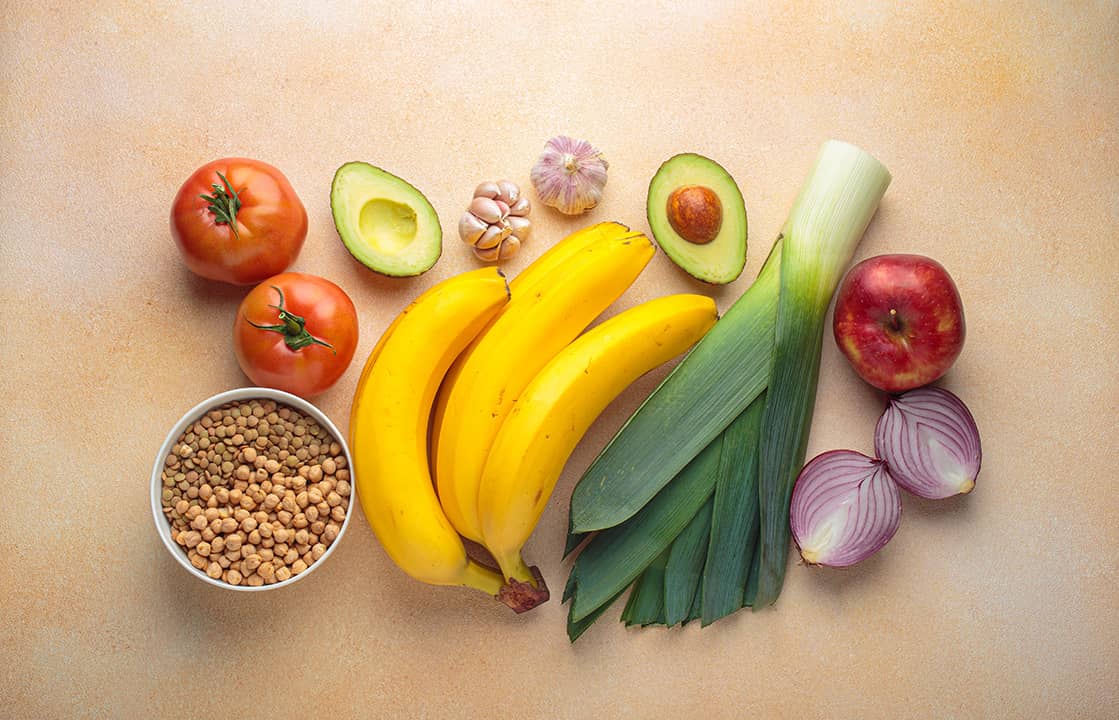
Prebiotic foods include complex carbohydrates and produce like flax, oats, garlic, root vegetables, apples, and green bananas. Complex carbs are difficult for humans’ digestive systems to process and arrive largely intact to the colon, where they act as nutrients for the beneficial bacteria that reside there.
Sources of Prebiotics and Probiotics
In addition to taking supplements, there are many fermented and prebiotic foods you can incorporate into your diet. Although many fermented foods and drinks are associated with healthy diets (and some may even be associated with health benefits), there’s actually very little evidence that the live cultures that are naturally present can survive the harsh conditions in the stomach and small intestine. What’s more, studies also show that fermented foods and drinks typically do not contain proven probiotic microorganisms, which is why taking a high-quality probiotic supplement can be helpful for supporting gut flora.
Can You Take Prebiotics And Probiotics Together?
Yes, because they serve complementary functions: Probiotics introduce bacteria to the microbiome, while prebiotics act as the food source for the bacteria in your gut. Without prebiotics, the microbes in your microbiome starve—and fail to release beneficial compounds like short-chain fatty acids.
Prebiotics vs. Probiotics: The Bottom Line
So, to recap: Probiotics add to the population of beneficial bacteria in the gut, while prebiotics support the growth of beneficial bacteria. It can be tricky to ensure you’re consuming enough of both—especially if you struggle with consuming produce or enjoying fermented foods, but supplements can provide gut support.
This story was produced by Ritual and reviewed and distributed by Stacker.

