
Five Hidden Wedding Dress Stains That Can Cause Later Damage
Brunswick, United States – April 10, 2026 / Cavalier Cleaners /
Cavalier Cleaners highlights the unseen wedding-day residues that can lead to yellowing, discoloration, and fabric damage months after the celebration.
A wedding dress may appear perfectly clean at first glance. The lace may still feel soft, the satin may still look smooth, and there may be no visible sign of damage. Many brides carefully place their gowns into garment bags after the wedding, confident the dress is protected.
Months later, however, faint yellow spots, darkened seams, or unexpected discoloration can begin to appear. These changes often come as a surprise, especially when no obvious spill or stain was noticed on the wedding day itself.

Clear Drinks Can Leave Hidden Sugars Behind
Champagne, wine, and clear cocktails often dry invisibly but do not disappear.
Spills from champagne toasts, white wine, and clear mixed drinks are often dismissed because they do not leave obvious marks right away. A bride may dab the area, allow it to dry, and assume the fabric is unharmed.
What remains beneath the surface is often sugar residue. Those sugars can soak into fabric fibers and dry invisibly, only to oxidize over time when exposed to air. As that reaction develops, the fabric can begin turning yellow or brown weeks or even months after the wedding.
These residues frequently settle into hems, linings, and inner layers that are not visible when the gown is hanging. Movement throughout the day, including walking, dancing, and sitting, can also push liquid deeper into seams and layered fabrics, making later removal more difficult.
Cavalier Cleaners notes that professional cleaning is especially important for these types of spills because invisible sugars are among the most common causes of delayed discoloration.
Sweat and Body Oils Can Quietly Change the Fabric
Natural contact during the wedding day can leave lasting effects on delicate materials.
Sweat and body oils are a normal part of any wedding day. With hours of movement, emotion, hugging, and dancing in structured fabric, gowns naturally absorb perspiration and oils even when no visible marks appear.
Areas commonly affected include underarms, side seams, necklines, straps, and the bodice lining. Although the outer fabric may still appear clean, residues can remain embedded in the gown.
Sweat contains salts, while body oils coat fibers and attract dirt. Over time, these substances can oxidize, weaken fabric structure, and cause yellowing or dull patches. Because wedding gowns are often made from delicate materials, the effects can spread beyond the original contact points.
Professional care helps remove sweat and oil residues before they become permanent, making early treatment an important part of long-term gown preservation.
Outdoor Weddings Can Introduce Organic Stains
Grass, soil, and greenery may fade as they dry, but the risk often remains.
Outdoor ceremonies and photo sessions create memorable moments, but they can also expose a dress to grass, dirt, and plant matter. These stains do not always leave strong visible marks immediately, which can give the impression that no real damage was done.
In reality, organic stains can behave differently over time. Chlorophyll can bond easily to fibers such as silk and tulle, while soil contains minerals and organic matter that may discolor fabric slowly. Moisture can also cause pigment to spread beneath the surface.
Hems and trains are especially vulnerable during ceremony walks, lawn photography, and even the walk to the car after the reception. Spot cleaning at home can sometimes worsen the problem by spreading pigment or pushing the stain deeper into layered materials.
Cavalier Cleaners emphasizes that professional cleaning uses controlled methods designed to break down organic compounds safely and reduce the chance of hidden stains resurfacing later.
Beauty Products Can Transfer Without Immediate Signs
Makeup, self-tanner, and skincare products often remain unseen until months later.
Wedding-day beauty products help brides look and feel their best, but they can also leave behind invisible traces on a dress. Foundation, setting spray, self-tanner, and skincare products can transfer onto fabric without causing obvious discoloration right away.
Common contact points include bust and bodice areas, straps, necklines, collars, and sheer panels, especially during dressing, movement, and close contact throughout the day.
These products often contain oils, pigments, and alcohols that react with fabric over time. Pigments may oxidize, oils can attract dust, and sprays may leave behind residues that gradually darken. Because the process is slow, the damage often becomes noticeable only after the gown has been in storage for some time.
Professional preservation focuses on these high-contact areas early, helping prevent cosmetic residues from becoming lasting stains.
Desserts Can Leave Sugars That Damage the Dress
Cake, frosting, chocolate, and snacks can affect both appearance and fabric strength.
Dessert stains are among the most frequently overlooked causes of later gown damage. Cake, frosting, chocolate, and late-night snacks often leave sticky residues rather than dramatic visible spots, leading many brides to brush away crumbs and assume the dress is still clean.
Once sugar settles into the fabric, it can crystallize as it dries. That process can stiffen fibers, attract moisture, and contribute to yellow or brown spotting over time. Frosting and sugary residue can also weaken delicate materials if left untreated.
These stains commonly appear on bodices, skirts, and sleeves during cake cutting and serving, while drinks and desserts later in the evening can affect lower layers without being noticed.
Cavalier Cleaners explains that professional cleaning helps remove these residues before crystallization takes hold, protecting both the appearance and structural integrity of the gown.
Early Preservation Helps Protect a Meaningful Garment
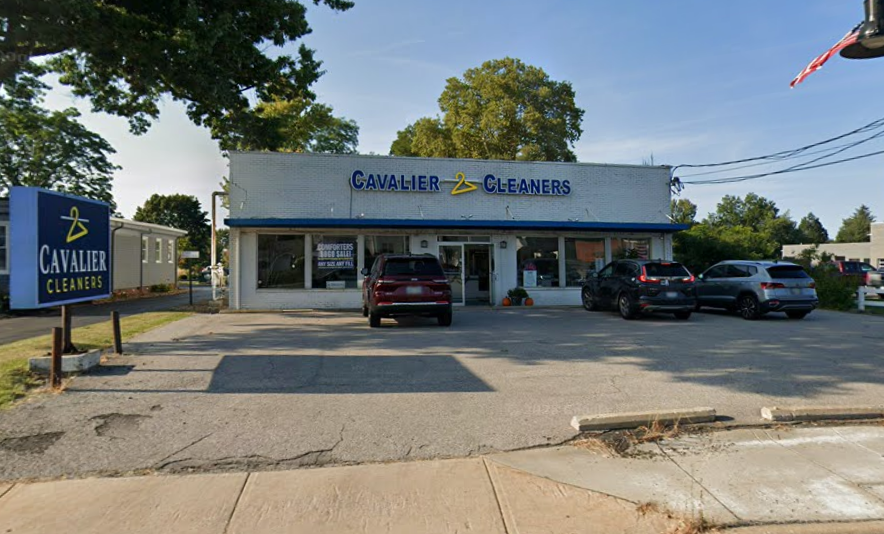
Cavalier Cleaners offers professional wedding dress cleaning and preservation in Medina, Ohio.
A wedding dress that looks clean today may still contain hidden spills, sugars, oils, and residues that can quietly damage the fabric over time. Delayed yellowing and discoloration are often the result of contaminants that were never visible on the wedding day.
Cavalier Cleaners provides a gentle, professional Wedding Dress Cleaning and Preservation Service backed by four generations of fabric care expertise in Medina, Ohio. Acting sooner can give a wedding gown the best chance to remain as beautiful as it was on the day it was worn and can help avoid damage that becomes more difficult to correct later.
Brides interested in protecting their gowns are encouraged to contact Cavalier Cleaners or schedule a Wedding Dress Cleaning and Preservation Service online.
Contact Information
Cavalier Cleaners
Medina, Ohio
Phone: (330) 992-2310
Online Scheduling: mycavalier.smrtapp.com/custx/login


Contact Information:
Cavalier Cleaners
1413 Pearl Road
Brunswick, OH 44212
United States
Ashley Porco
(330) 952-7569
https://www.mycavalier.com/


Original Source: https://www.mycavalier.com/five-stains-from-your-wedding-day-that-can-harm-your-dress-months-later/
